

Differentiation sounds great in theory, but when you’re juggling a packed curriculum, diverse learners, and the usual classroom chaos, it can feel impossible to do it well. We all want to meet the needs of every student and where they’re at… but how?
If you’re like me, you’ve probably Googled “easy ways to differentiate” more than once during your lunch break. Sure, there are some decent blogs out there, but sometimes you need a deep dive, not just another Pinterest idea.
So, I’ve pulled together 10 books that don’t just talk about differentiation in fluffy terms, they give you actual strategies, classroom-tested examples, and tools that work with real students (yes, even those tricky ones).
Also, these books aren’t dry. They’re written by teachers, for teachers.
The Differentiated Classroom by Carol Ann Tomlinson
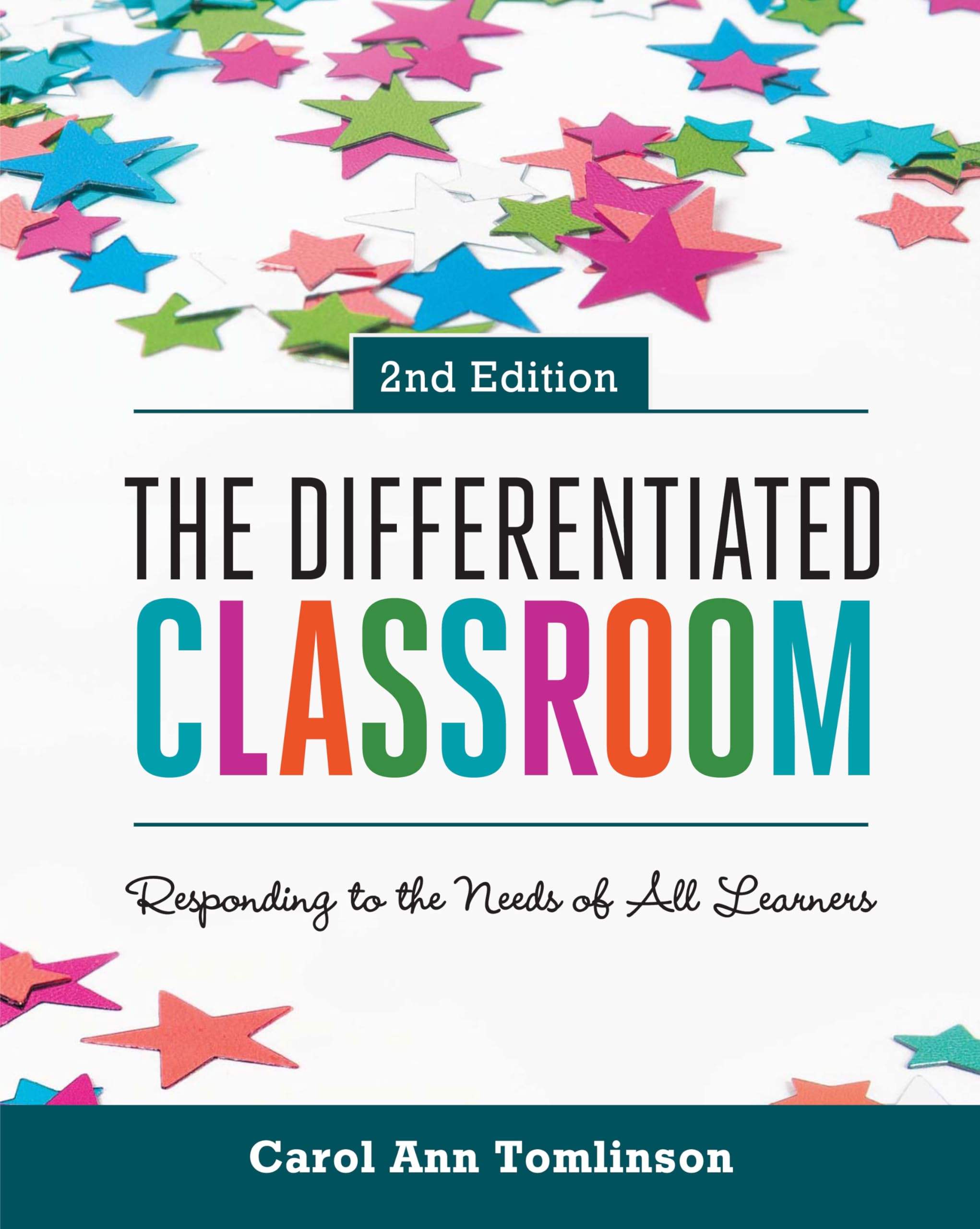
This is the go-to if you’re new to differentiation. Tomlinson explains why “one-size-fits-all” teaching doesn’t cut it and gives real classroom examples of what tailoring instruction looks like.
How to Differentiate Instruction in Academically Diverse Classrooms by Carol Ann Tomlinson
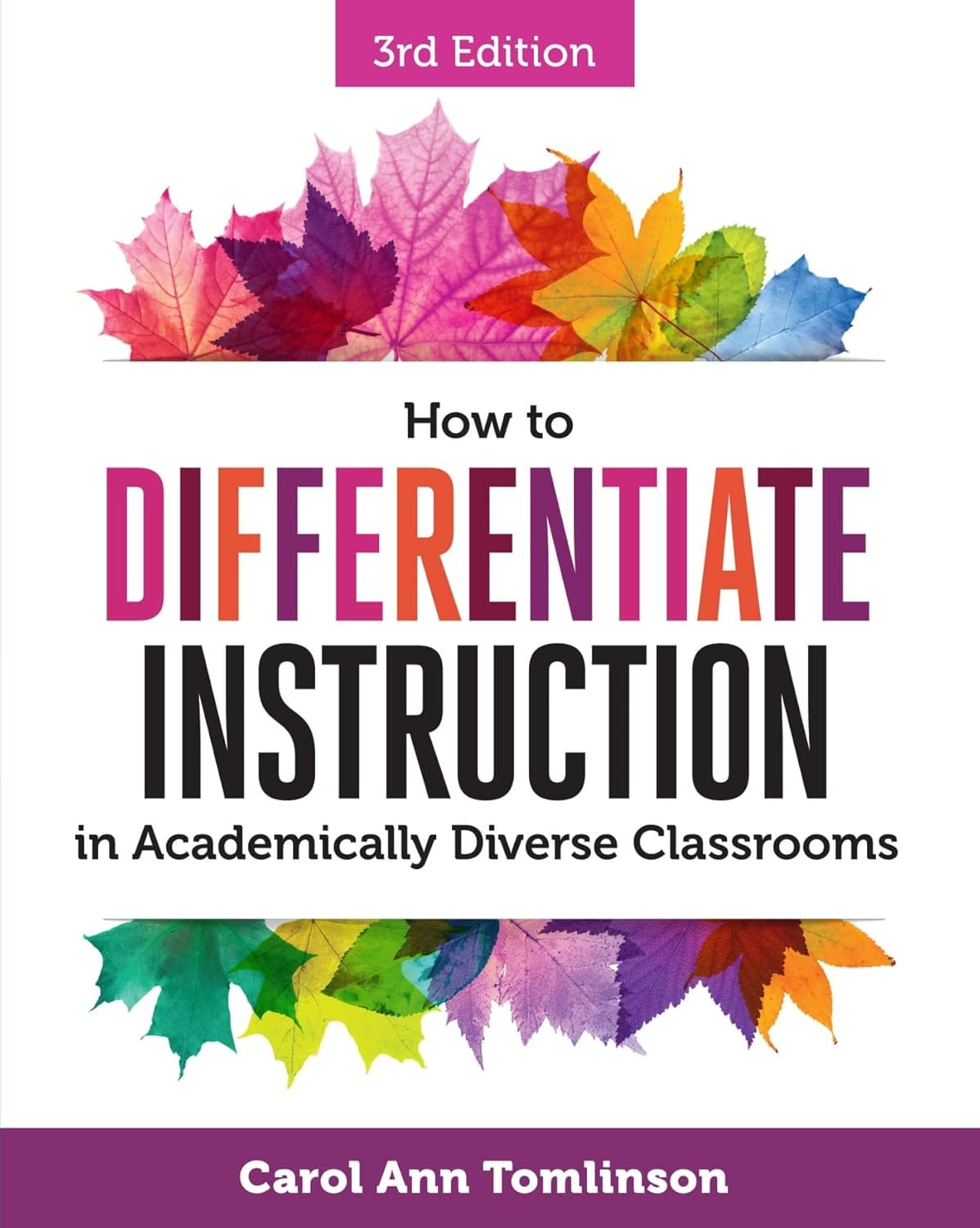
Carol Ann Tomlinson is the queen when it comes to differentiation. This book gives you clear, concrete strategies for adjusting lessons based on readiness, interest, or learning style. It’s like a manual for teachers who need to start differentiating yesterday.
Leading and Managing a Differentiated Classroom by Carol Ann Tomlinson & Marcia B. Imbeau
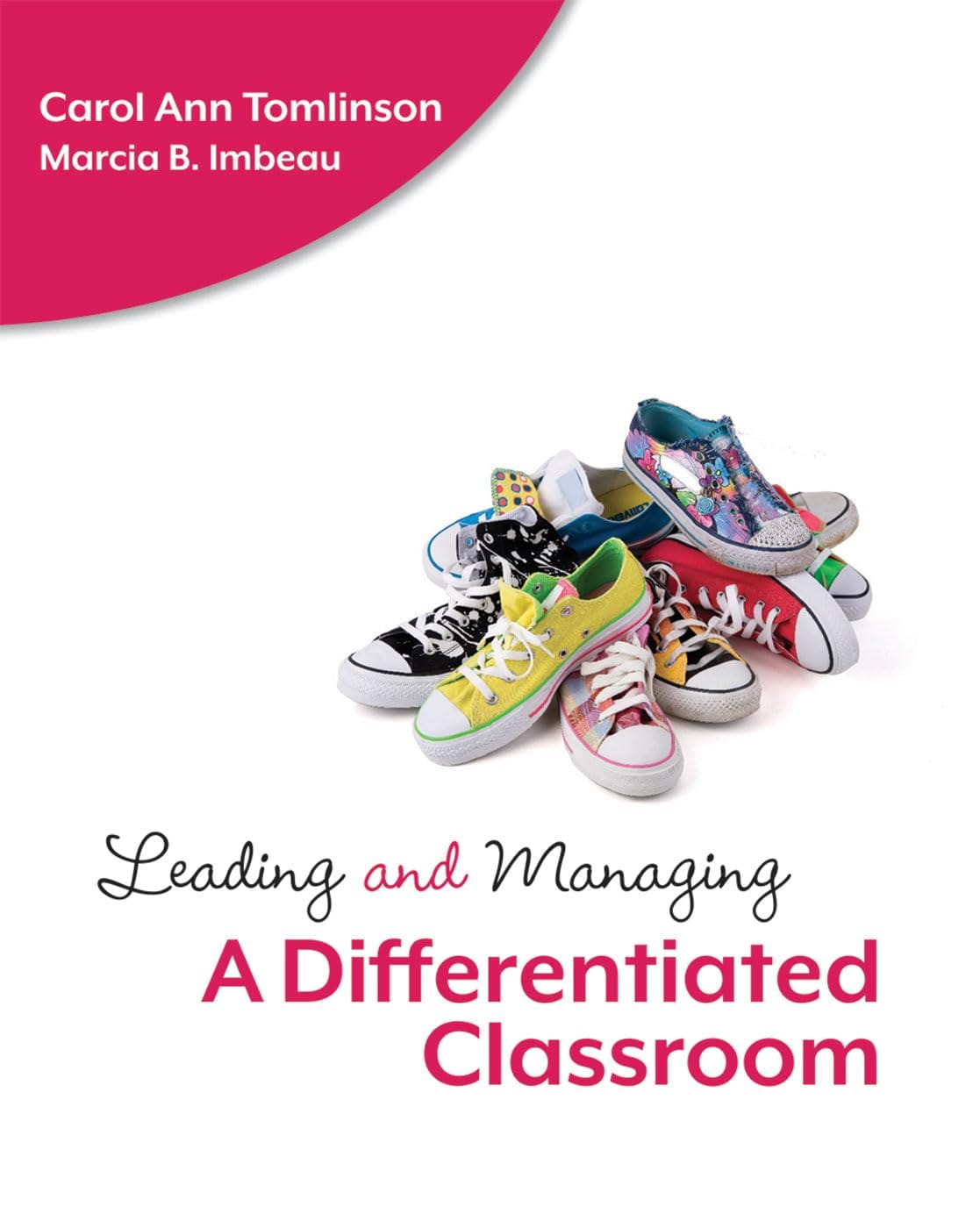
Yep, Tomlinson again, I told you she is the queen, maybe even the GOAT. Differentiation isn’t just about instruction. You need to manage your space, materials, and students in a way that actually makes this work. This book breaks down how to structure your classroom to support all learners without losing your sanity.
The Differentiated Instruction Book of Lists by Jenifer Fox & Whitney Hoffman
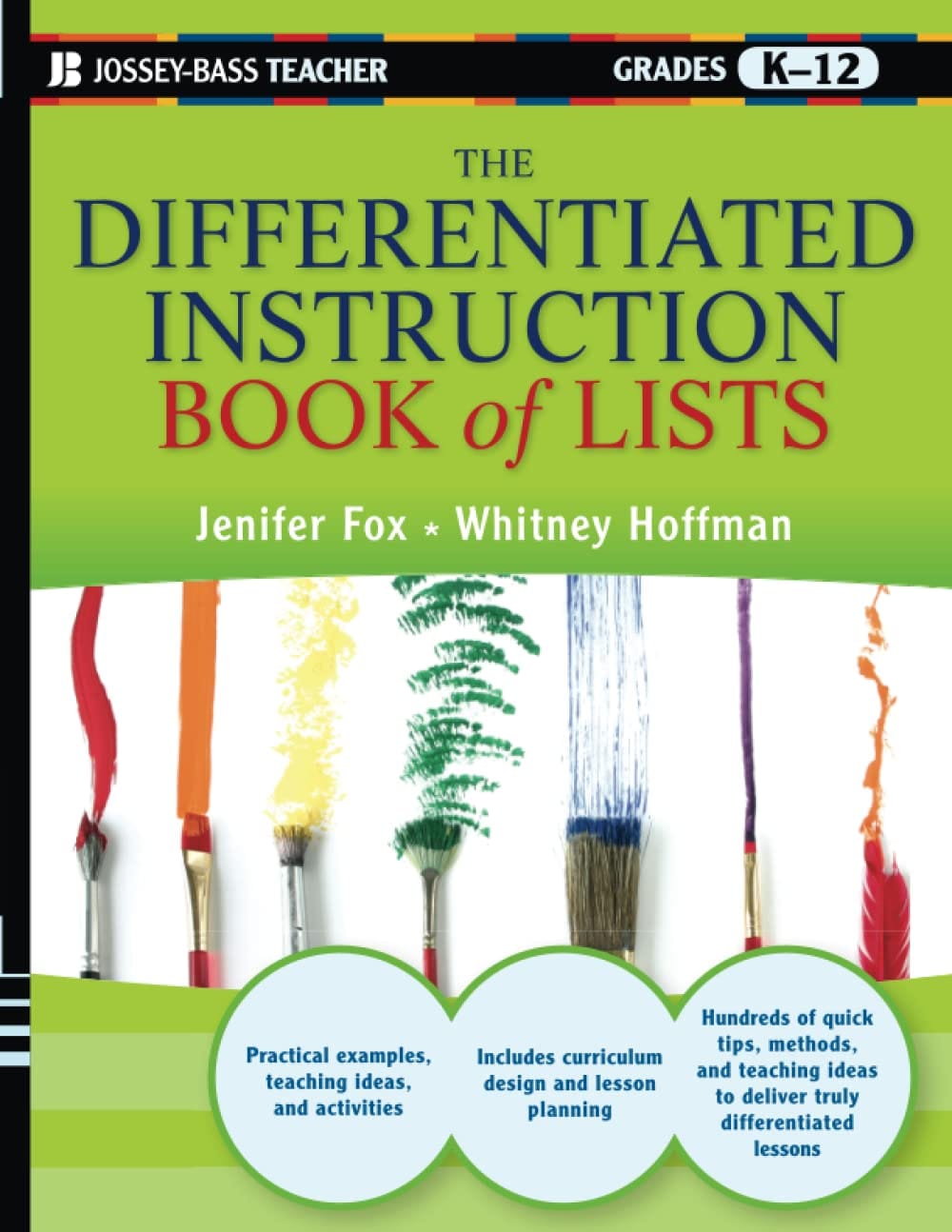
Don’t want to read a whole book? This one’s a goldmine of over 150 lists of strategies, lesson ideas, and differentiation tips you can flip through and try out right away.
Differentiated Instruction: Making It Work by Patti Drapeau
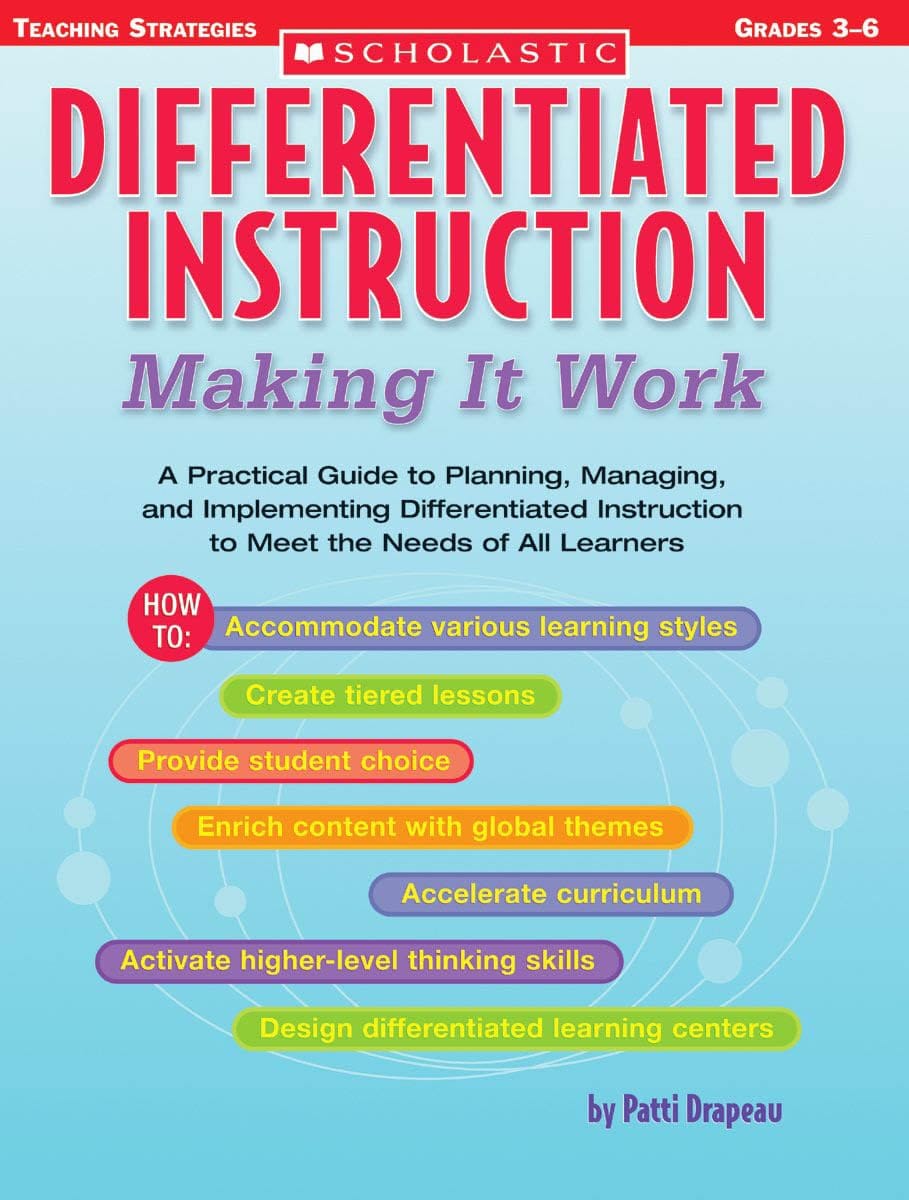
If you teach upper primary and want a practical toolkit (think tiered tasks, choice boards), this one delivers. Drapeau keeps it real with what differentiation actually looks like in action.
Assessment and Student Success in a Differentiated Classroom by Carol Ann Tomlinson & Tonya R. Moon
We assess a lot (probably too much), but are we using that data to help students grow? This book shows you how to align your assessments with your differentiation so you’re not just grading, you’re guiding. I bet you thought you weren’t going to get any more Tomlinson recommendations. HA!
Strategic Classroom Design by Jessica Martin
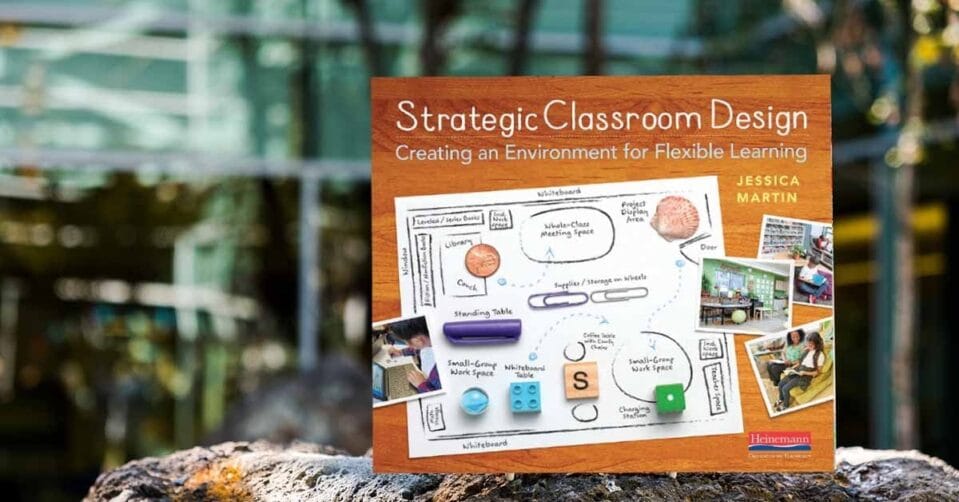
Sometimes the problem isn’t your lesson, it’s your space. This book helps you rethink how your classroom can physically support flexible, student-centered learning. Bonus: it has budget-friendly tips and photos!
Using Technology in a Differentiated Classroom by Clare R. Kilbane & Natalie B. Milman
This one’s a gem for tech-savvy teachers. It shows how to use digital tools to support real differentiation, not just flashy presentations.
Differentiating Instruction in the Inclusive Classroom (PRISM 10)
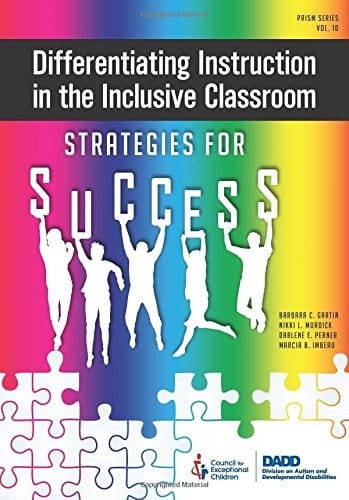
If you’re teaching in an inclusive classroom (which is most of us), this book explains how to differentiate for students with disabilities using UDL, brain research, and more.
So All Can Learn by John McCarthy
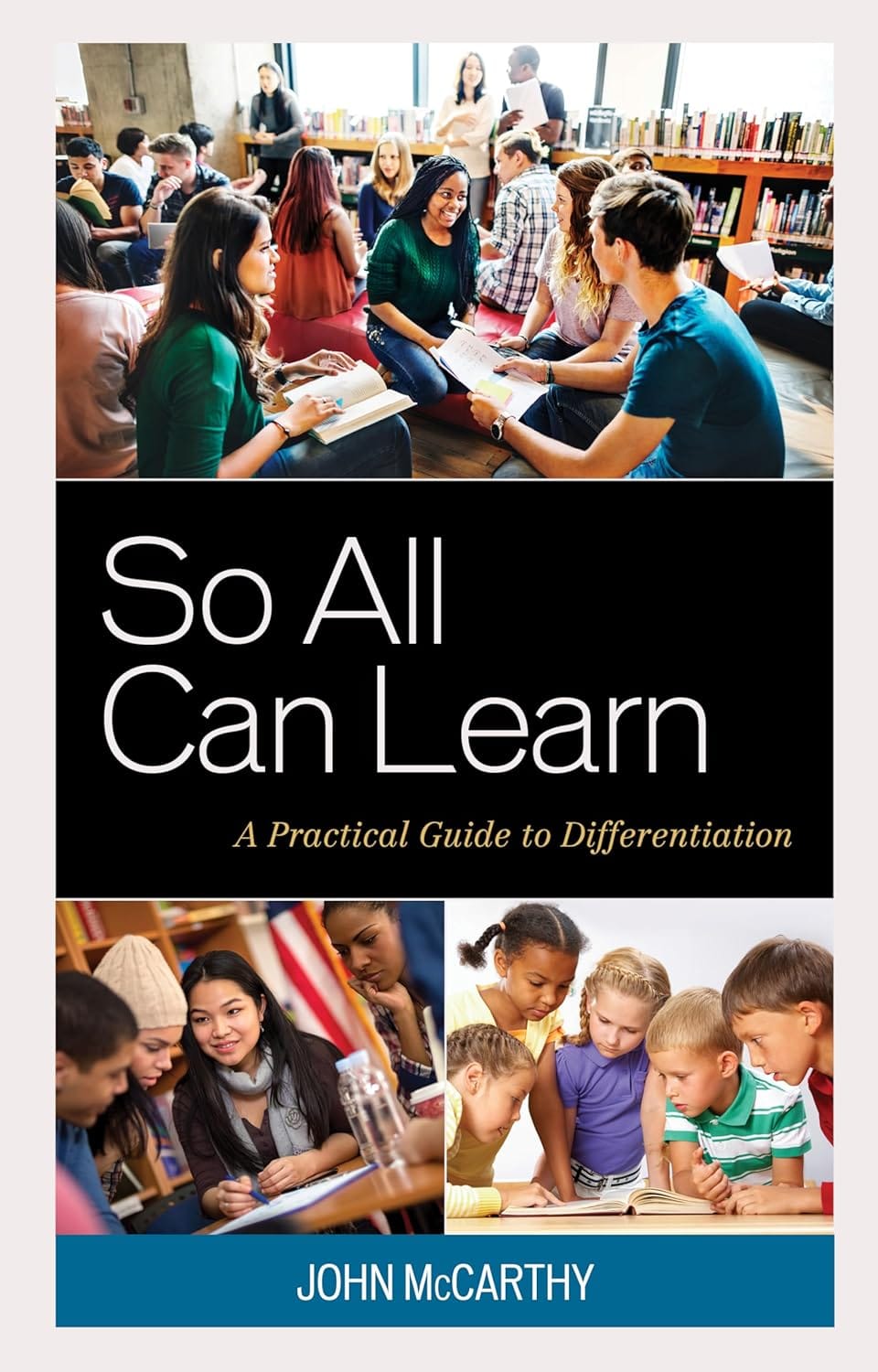
This one blends theory and practice with ready-to-use tools, reflection questions, and ideas that’ll get you thinking and doing. It’s approachable, thoughtful, and grounded in what actually works.
IMPORTANT: Don’t Try to Do It All
Here’s the thing: you don’t have to do every form of differentiation in every lesson. Start small. Pick one area: grouping, pacing, tech tools, classroom setup and just give it a try.
These books aren’t magic wands, but they’re full of practical ideas and encouragement for teachers who want to do better for all their students without burning out.
If you’ve read any of these or have another go-to differentiation resource, I’d love to hear your thoughts in the comments. Let’s support each other and share what actually works.
