

I currently have a pre-service teacher in my classroom, and she has 1 year left on her uni degree before she becomes a brand spanking new, first year teacher. Today, she had one question for me, and that was for some tips to help her out in that first year teaching. Me being me, I couldn't give her just one.
Being a first year teacher can be daunting. It’s frightening. It’s hectic. It’s crazy. It’s fun. It’s new. However, it is also the best, weirdest, most exhausting job you’ll ever love.
No matter your grade level, being a first year teacher is a crash course in multitasking, improvising, and finding what actually works for you and your students. Don’t worry, you’ll figure it out as you go (we all did and still do), but here are 12 hacks I wish someone had handed me on Day 1.
1. The “Three Before Me” Rule
Before students ask you for help, they try three other options:
- Ask a peer
- Read the board
- Check the instructions
This rule builds independence and dramatically cuts down on the “What do I do?” or “I don't understand” chorus five seconds after you’ve explained everything. Create a poster and stick it above your desk.
2. Start with a “Do Now” Task
Have something ready on the board/screen as students enter is a great first year teacher hack. It could be quiet reading, a brain-teaser, a question of the day, or an interesting picture. It gives the students direction and gives you time to breathe, mark the roll, or finish your coffee while it’s still lukewarm.
3. Colour-code Everything
Books, bins, folders, displays, even your group tables. A little colour-coding goes a long way; especially for younger grades, but even high school students appreciate visual cues.
4. Use a Timer Like a Boss
Timers keep everyone on track, including you. Try online tools like Classroomscreen or YouTube for a visual countdown for tasks. It creates urgency without pressure, and it helps transitions feel tight and purposeful. If you find timers boring, a music video is another great option. Students won’t need to keep an eye on the clock, they can hear how long they have left and those who have finished can enjoy the clip. I love to use this as my “pack up” song/timer.
5. Two-Choice Directions
Instead of saying “You need to do your work now,” try:
“You can work at your desk or with a partner. Your choice.”
It gives them agency while still moving them forward. Total game-changer for those tricky moments.
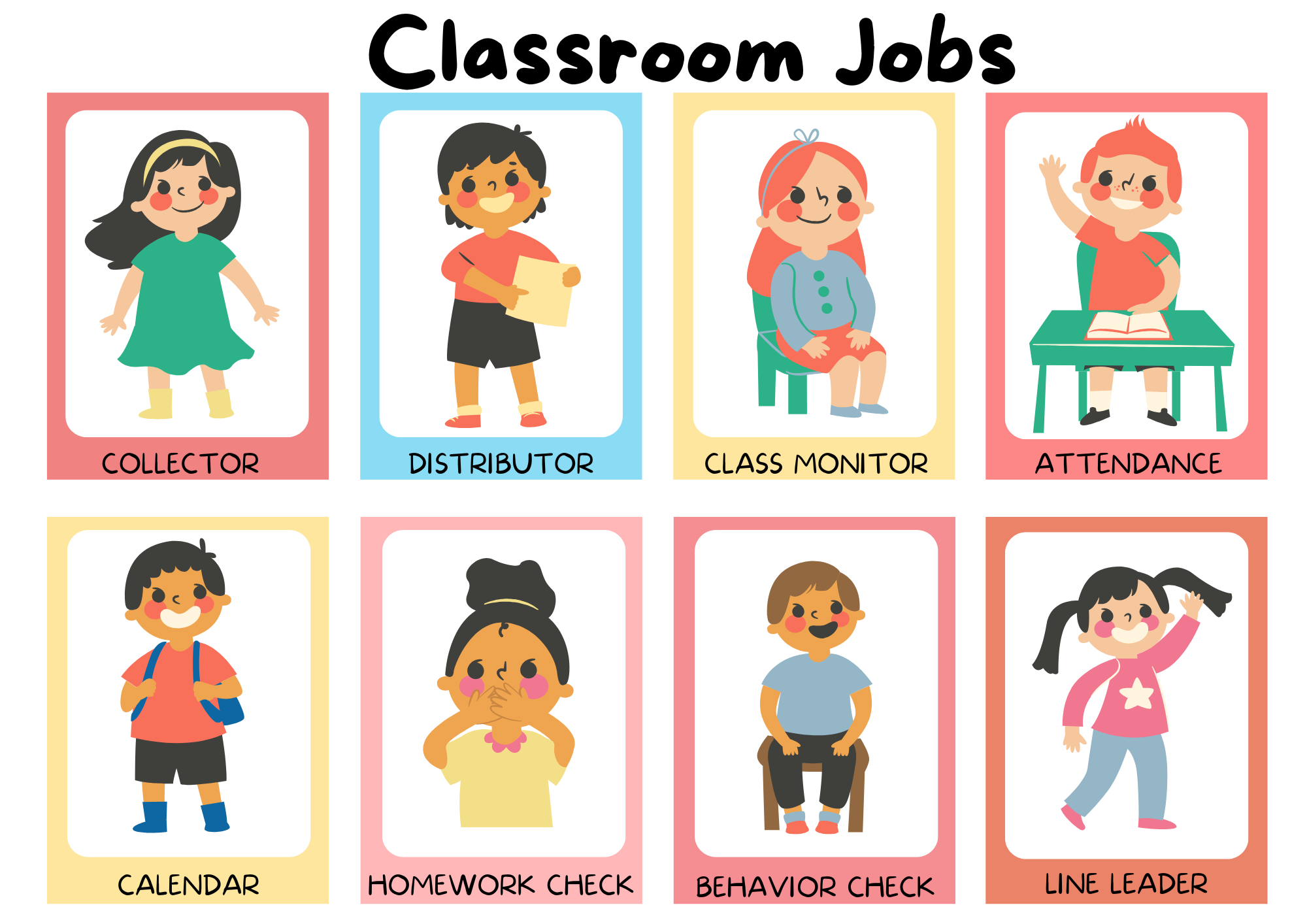
6. Classroom Jobs Aren’t Just for Little Kids
Even Year 9s like to feel useful. Assign weekly roles: tech assistant, supplies monitor, bell-ringer, vibes manager (yes, that’s a thing). It builds community and lightens your load. Use tools like Banqer to make your life even easier if you want to reward those kids who help.
7. Keep a “Fast Finisher” Menu
Students who finish early shouldn’t derail the rest of the class. Create a small list of always-available options: puzzles, drawing, free writing, reading, digital tasks. Rotate the list to keep it fresh.
8. Plan Less. Flex More.
Early on, we all over-plan. Try this: nail one strong, purposeful activity per lesson and leave breathing room. Good teaching often happens in the in-between moments, not the perfectly planned ones.
9. Create a Calm Corner
A low-stimulation space in your room with a beanbag, timer, calm visuals, isn’t just for behaviour support. It’s a proactive way for students to self-regulate before things escalate.
10. Voice Levels = Fewer Reminders
Teach and refer to volume levels:
🟢 0 = silent,
🟡 1 = whisper,
🟠 2 = group talk,
🔴 3 = presenter voice.
Use visuals and model it like any routine. The more consistent you are, the less you’ll need to nag. Apps like Too Noisy (paid) or Bouncy Balls (free) can give students an instant visual feedback on classroom volume.
11. End the Week With “Friday Wins”
Before everyone bolts for the weekend, ask: “What’s one win you had this week?”
Students can write it, share it, or add it to a class wall. It builds confidence, community, and makes Friday feel good.
12. Good Enough Is Good Enough
You will not have it all together, and that’s okay. Prioritise connection over perfection. The routines, the confidence, the cool ideas; those will come. For now, just breathe. You’re doing better than you think.
One Last Thought
Being a first year teacher is tough, but it shouldn’t break you. Keep showing up, keep trying things, bookmark helpful sites (hint, hint, this one) and keep a stash of chocolate (or coffee) in your desk drawer. You’ve got this.
Now, a call-out to all the teachers who read this (especially first year teachers). Share your first year teacher hacks in the comments below. We will all be grateful.
